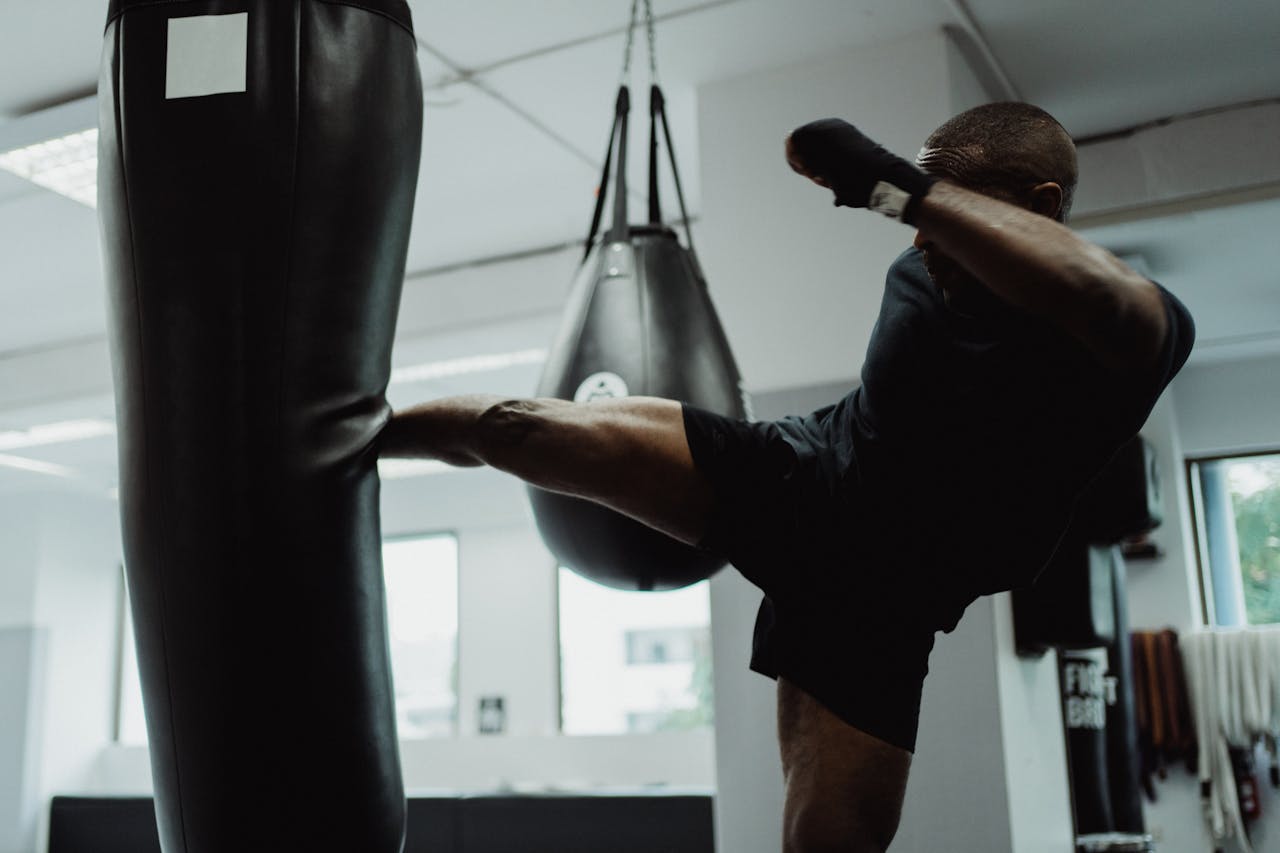
Could kickboxing be the key to a longer, healthier life?
Story Overview
- Kickboxing enhances fitness markers vital for aging.
- Combines HIIT, resistance, and coordination for unique benefits.
- Suitable for older adults, promoting neuromuscular health.
- Potential to reduce age-related decline and extend healthspan.
The Science of Kickboxing and Longevity
Kickboxing, a dynamic blend of karate, boxing, and Muay Thai, offers more than just a vigorous workout; it may hold the secret to longevity. Scientific studies reveal kickboxing enhances aerobic capacity, muscle power, balance, and cognitive function, critical components often diminished with age. Unlike conventional cardio exercises, kickboxing incorporates high-intensity interval training (HIIT), resistance, and coordination drills, making it a comprehensive regimen for those seeking to combat the effects of aging.
Research from 2014 showed significant fitness gains after just five weeks of kickboxing training. Participants improved in aerobic and anaerobic performance, power, speed, agility, and flexibility. These improvements make kickboxing a powerful tool against sarcopenia, reduced VO2 max, and cognitive decline—common issues faced by aging individuals. The synthesis of HIIT and resistance training in kickboxing strengthens muscles, enhances endurance, and boosts overall vitality, potentially adding years to one’s life.
Kickboxing’s Role in Aging
Kickboxing isn’t just for the young and fit; it’s increasingly recognized for its benefits to older adults. The sport’s unique combination of footwork drills and non-contact formats makes it particularly suitable for seniors, offering neuromuscular and psycho-emotional benefits. This approach helps improve balance, reaction time, and mood, while reducing the risk of falls—a significant concern as we age. For many, kickboxing is more than exercise; it’s a pathway to maintaining independence and quality of life.
In senior communities like The Village at Penn State, wellness coaches integrate kickboxing into fitness programs, emphasizing its role in reducing fall risks and enhancing cognitive functions. The sport’s ability to engage both mind and body makes it an effective weapon against neurodegenerative diseases and cognitive decline. By improving focus and problem-solving skills, kickboxing offers much-needed mental stimulation, which is crucial for healthy aging.
Community and Economic Benefits
The implications of incorporating kickboxing into senior fitness programs extend beyond personal health. Communities benefit economically as improved fitness levels lead to reduced healthcare costs. Socially, kickboxing classes foster engagement and camaraderie among participants, promoting a supportive environment that enhances mental well-being. The fitness industry is taking note, increasingly shifting towards combat sports as a means to improve longevity and overall health.
For policymakers, promoting active aging through fitness programs like kickboxing can have far-reaching effects, from reducing the burden on healthcare systems to enhancing the quality of life for older citizens. By recognizing and supporting these initiatives, communities can cultivate healthier populations, ultimately contributing to a more vibrant society.