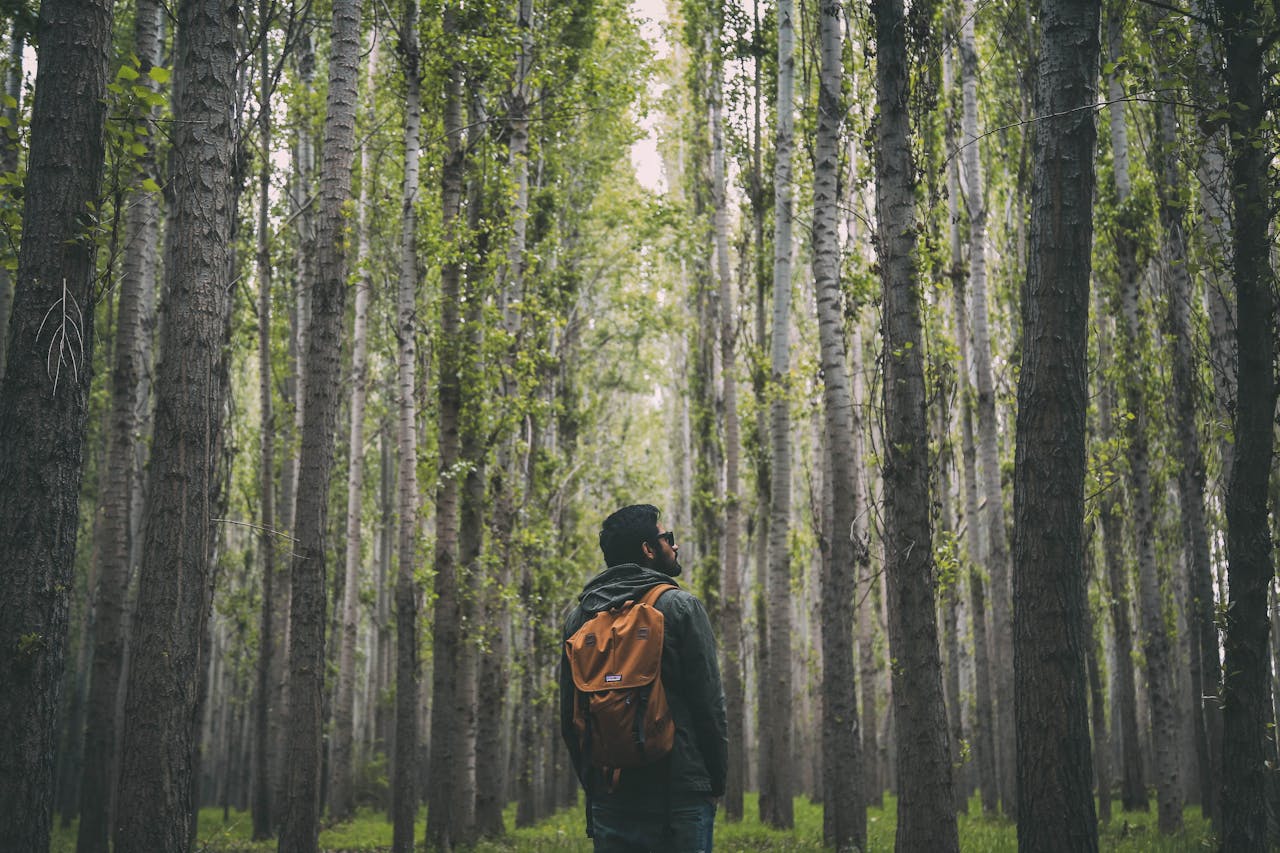
Have you ever considered that your mundane daily routine could be transformed into an adventure waiting to happen?
Story Snapshot
- Discover the concept of microadventures and how they can spice up everyday life.
- Learn about the history and evolution of this accessible thrill-seeking trend.
- Understand the societal and economic impacts of these mini-adventures.
- Explore the roles of influencers and organizations in promoting this lifestyle.
The Rise of Microadventures
The idea of microadventures, short and local escapades, emerged as a response to sedentary lifestyles, offering a refreshing shift from routine monotony. Popularized by Alastair Humphreys in 2014, this concept gained traction through personal blogs and guides, encouraging people to find adventure in the everyday. From night hikes to backyard stargazing, these adventures are designed to be accessible, requiring minimal gear or cost, making them perfect for urban dwellers and families alike.
Microadventures are not just about thrill-seeking; they democratize the idea of adventure, making it feasible for non-elites. The emphasis is on integrating these experiences into daily life, offering a stark contrast to extreme bucket-list activities. The trend has proven pandemic-resilient, allowing people to seek novelty without major travel or logistics, a boon during times when global movements were restricted.
The Historical Context
The roots of microadventures can be traced back to outdoor pursuits like youth group night hikes and hobbies like rockhounding. While the term itself is modern, the practice of seeking small-scale adventures has long been a part of human culture. The rise of remote work and a focus on mental wellness have amplified interest in these activities, with blogs and guides structuring them into manageable and inspiring experiences.
Organizations like REI and Natural Habitat Adventures have leveraged this trend by offering classes and promoting outdoor hobbies. These entities, alongside individual bloggers, play pivotal roles in shaping the narrative, encouraging participation, and providing resources for those eager to embark on their own microadventures.
The Impact on Society and Economy
The impact of microadventures extends beyond personal fulfillment. Economically, they boost sales of outdoor gear and accessories. Socially, they enhance community bonds and foster mental health benefits. The activities encourage people to engage with their surroundings, build new skills, and maintain an active lifestyle. This trend has also fueled niche markets in adventure tourism and app development, with platforms like geocaching gaining popularity.
While the political implications remain negligible, the socio-economic benefits are evident. The trend has bolstered the post-pandemic outdoor sector, offering a sustainable way to maintain well-being and community engagement. As more people embrace these accessible adventures, the ripple effects on society continue to grow.
The Future of Everyday Adventures
The future of microadventures looks promising, with new developments continually emerging. Recent hobby guides have expanded to include hybrid activities like rock climbing and zip-lining, catering to diverse interests and skill levels. The use of technology, such as GPS for geocaching, enhances the experience, making it more interactive and engaging. As the trend evolves, it offers endless possibilities for innovation and exploration.
Microadventures are more than a passing trend; they represent a shift in how we perceive and engage with the world around us. By embracing the everyday as an opportunity for adventure, individuals can find joy, challenge, and connection in the ordinary, transforming routine into a source of excitement and growth.