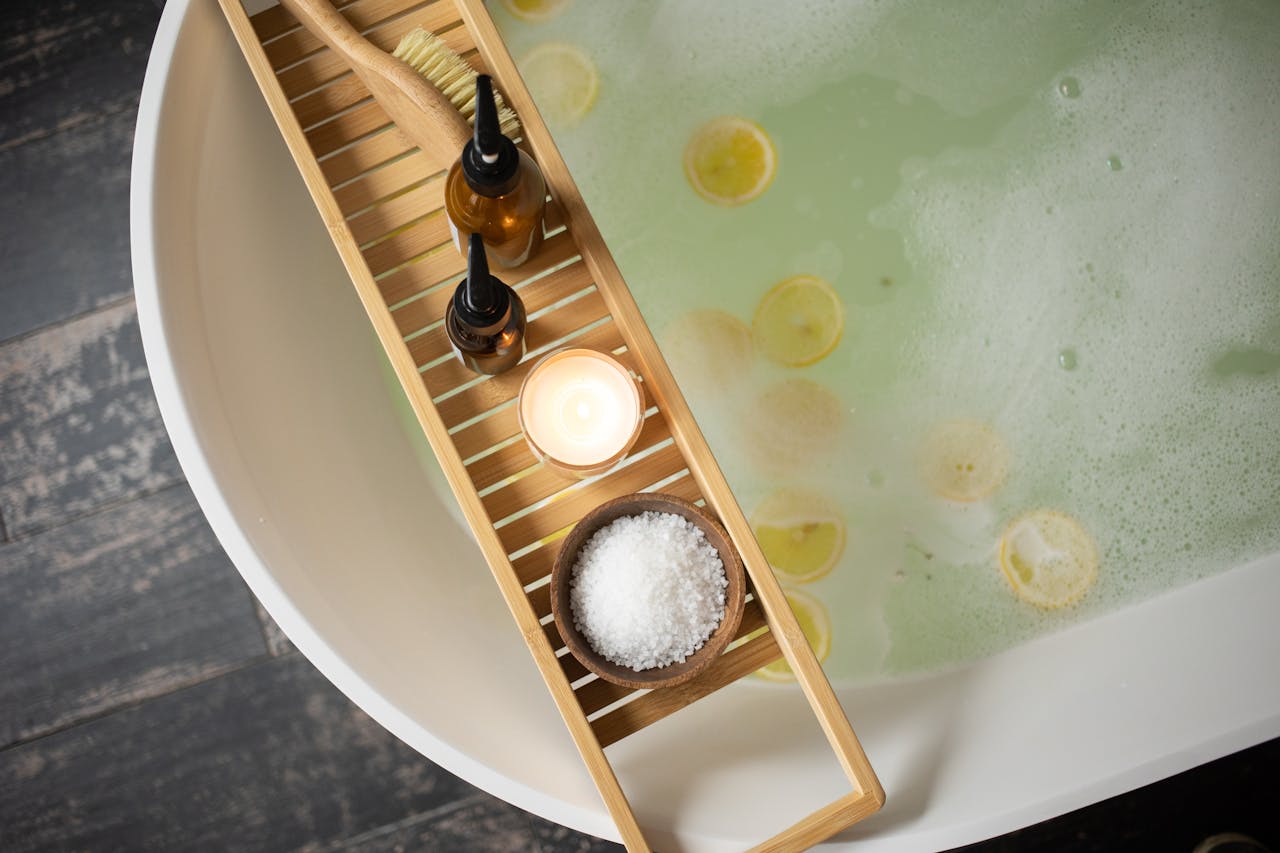
As the trend of crafting sustainable home spas continues to rise, eco-conscious consumers are at the forefront of a wellness revolution that aligns with conservative values of self-reliance and cost-effectiveness.
Story Highlights
- Home spa sustainability is gaining popularity in 2025, focusing on eco-friendly practices.
- Consumers are transforming daily routines into low-impact spa experiences at home.
- This trend aligns with conservative values of self-reliance and cost-effectiveness.
- Key stakeholders include families, spa brands, and suppliers of sustainable products.
Emergence of Sustainable Home Spas
Since the early 2020s, there has been a growing trend of individuals transforming their homes into sustainable spas. This movement stems from a desire to incorporate eco-friendly practices into daily self-care routines. By using natural, zero-waste materials and energy-efficient tools, consumers can enjoy the benefits of traditional spa experiences without leaving their homes. This democratization of wellness makes high-end spa rituals accessible to all, aligning with conservative values of self-reliance and cost-effectiveness.
This trend not only benefits individuals but also supports the environment by reducing carbon footprints and promoting the use of local ingredients. As commercial spa sustainability concepts are adapted for home use, individuals can enjoy guilt-free relaxation while supporting eco-values. The use of DIY recipes and household items such as Epsom salts and essential oils further contributes to this eco-conscious movement.
Key Stakeholders and Their Roles
The primary stakeholders in this movement include consumers, spa brands, and suppliers. Consumers, motivated by health and cost savings, are the driving force behind the demand for eco-friendly home spa solutions. Spa brands, such as Minerva Beauty and Citrine Skin and Lash Spa, innovate by promoting sustainable products and practices. Suppliers of bamboo textiles and organic essentials play a crucial role in providing the necessary materials to support this trend.
Power dynamics within this ecosystem are shaped by consumer demand, which influences spa brands to adopt eco-friendly practices. Partnerships between spas and local farms further establish sustainable supply chains, underscoring the importance of community involvement in this movement. Influencers such as wellness bloggers and sustainability certifiers contribute by shaping trends and educating consumers on the benefits of sustainable home spa practices.
Impact and Future Developments
The adoption of sustainable home spa practices has significant economic, social, and political impacts. Economically, consumers benefit from cost savings associated with DIY spa treatments compared to commercial alternatives. Socially, these practices promote mental health by fostering a connection with nature. Politically, the trend aligns with green policies, encouraging the growth of eco-product markets and inspiring beauty giants to adopt plastic-free initiatives.
Looking ahead, the focus on sustainable home spas is expected to continue growing, emphasizing smart technologies such as energy-tracking meters and greywater systems. These advancements will further enhance the efficiency and sustainability of home spa setups, making them an integral part of eco-conscious self-care practices. As the movement gains momentum, it will continue to resonate with conservative values of individual liberty and limited government intervention, offering a practical and eco-friendly approach to wellness.
Sources:
Nature Therapy: Eco-Friendly Spa Practices for Sustainable Wellness
Nature Therapy: Eco-Friendly Spa Practices for Sustainable Wellness