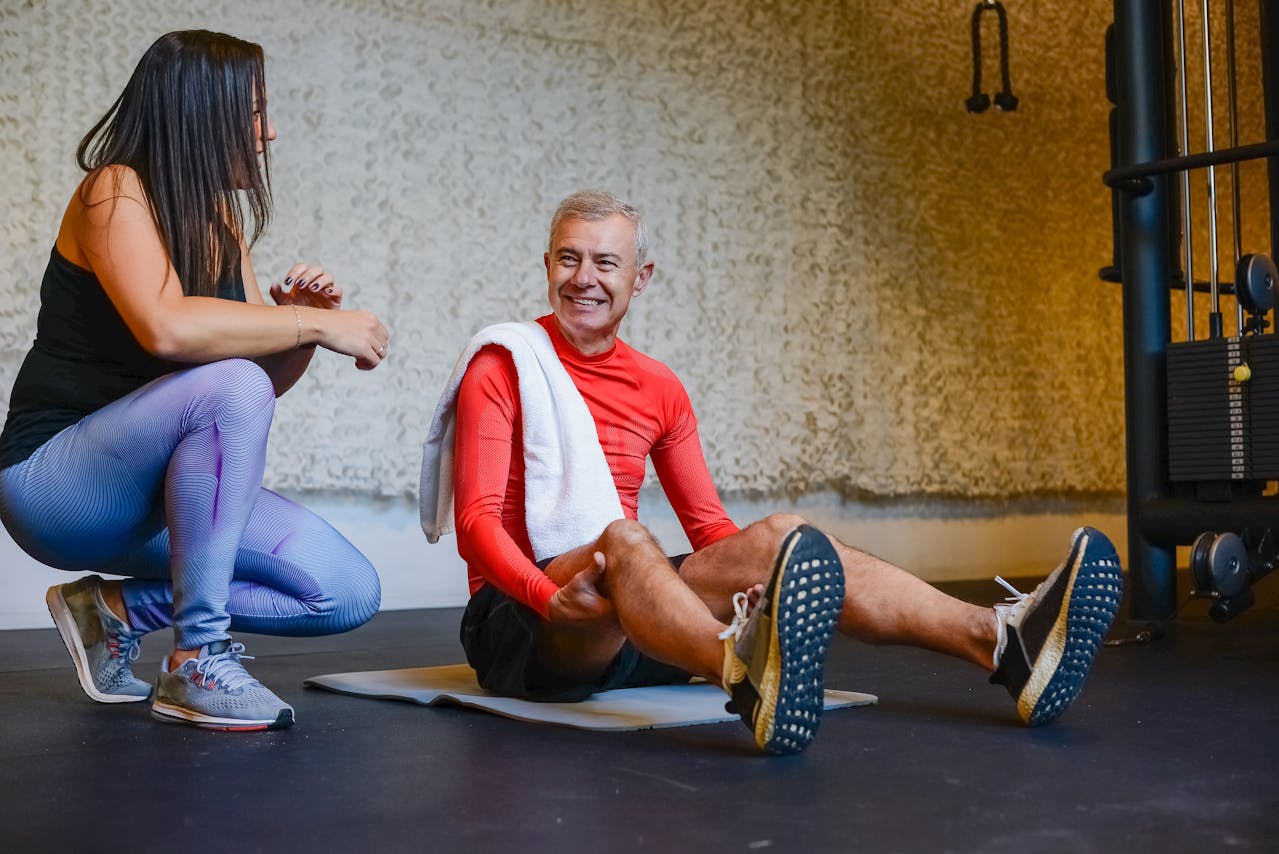
An emerging health strategy promises to combat age-related decline and chronic diseases with something as simple as picking up a weight.
Story Overview
- Strength training linked to longer life and reduced disease risk.
- New studies show mortality risk reductions with regular resistance exercise.
- Guidelines now recommend muscle-strengthening activities twice a week.
- Implementation remains low despite proven benefits, especially among older adults.
Strength Training: A Key to Longevity
Recent studies emphasize the significant role that strength training plays in promoting longevity and reducing disease risk. According to research, engaging in resistance training as little as one to two times a week can lead to notable health benefits, including a decrease in all-cause mortality. These findings have prompted health organizations to include muscle-strengthening exercises in their guidelines, highlighting them as crucial components of a healthy lifestyle.
Despite the compelling evidence, the real-world application of strength training remains limited, particularly among older adults and individuals with chronic conditions. This gap points to a need for better public health strategies and community programs that can make strength training accessible and appealing to a broader audience. The longevity benefits are clear, but more work is needed to translate this knowledge into action.
Resistance Training’s Impact on Aging
Strength training has been shown to influence various biological mechanisms associated with aging. For instance, a study using U.S. NHANES data revealed that participating in approximately 90 minutes of resistance exercise per week was linked to telomere lengths indicative of about four years less biological aging compared to non-lifters. This suggests that strength training can have a cellular-level impact on aging, potentially extending healthspan even if the lifespan gains are modest.
Moreover, resistance training supports neuromuscular function, which is vital for maintaining balance and reducing fall risk in older adults. Trials have demonstrated that regular strength workouts can improve motor unit recruitment and slow age-related neural decline, thereby preserving functional independence.
Guidelines and Real-World Adoption
Health systems now recommend adults engage in muscle-strengthening activities at least twice a week. This shift echoes findings that highlight a 21% reduction in all-cause mortality associated with resistance exercise alone, with even greater benefits when combined with aerobic activity. However, despite these guidelines, actual participation in structured strength training remains low, especially among older adults and those with chronic conditions.
Efforts to increase participation must address barriers such as accessibility, awareness, and motivation. Fitness professionals and healthcare providers play crucial roles in encouraging adoption by offering programs that are tailored to individual needs and capabilities. Strength training is not just about building muscle; it is an essential part of preventive healthcare that can lead to a healthier, more active life.
Sources:
Strength Training Adds Years to Your Life Study
The Power of Strength Training: Boosting Health and Longevity